Public telephone booth

Public telephone booth

It is a telephone facility set up in public places, mainly used to provide public communication services. It originated in the industrial countries in the early 20th century and was widely used in the middle of the 20th century. It usually consists of a closed or semi-closed kiosk and a built-in telephone, which is designed with ergonomics in mind to ensure that the user can talk comfortably while standing. The design not only focuses on functionality, but also takes into account the beauty and practicality. Modern telephone booths usually adopt a simple and generous design style in appearance to integrate into the urban environment. However, with the popularity of mobile communications, the frequency of use of telephone booths has declined.
Metal Jukebox

Metal Jukebox

Construction site raw material bagged concrete

Construction site raw material bagged concrete

Barricade

Barricade

Power box

Power box

Wet floor warning sign

Wet floor warning sign

Tino Luxury 6-Foot Trampoline

Tino Luxury 6-Foot Trampoline

3D model of dock mooring column

3D model of dock mooring column

Greenland dock mooring column

Greenland dock mooring column

3D model of cable reel

3D model of cable reel

Old manhole cover

Old manhole cover

3D model of double-sided manhole cover on the street

3D model of double-sided manhole cover on the street

3D model of street manhole cover
3D model of street manhole cover

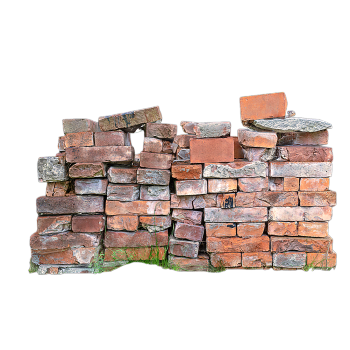
Red Brick Pile 3D Model

Red Brick Pile 3D Model

The wellhead made of stone carvings in the former British House of Commons

The wellhead made of stone carvings in the former British House of Commons

A wellhead made of partial stone carvings from the former British House of Commons (which caught fire in 1834). Presented by Lionel Barnett and his wife in 1945. The Antrim Grove Amusement Park is currently located in Belsey Park, London.
King Charles III's coronation mailbox

King Charles III's coronation mailbox

A royal mailbox located at the intersection of Ickenham Warren Road and Swakelelys Drive in London, with a knitted top cover themed around the coronation of King Charles III.
Old Bailey Stadium Pillar Guard

Old Bailey Stadium Pillar Guard

Guardposts on Eastcheap Street in London

Guardposts on Eastcheap Street in London

Wall ventilation openings

Wall ventilation openings

Parking space signage

Parking space signage

3D model of hollow cement brick pile

3D model of hollow cement brick pile

3D model of cement building materials

3D model of cement building materials

Kunming Biji memorial archway

Kunming Biji memorial archway

It is one of the famous historical and cultural landmarks in Kunming, together with Jinma Square, known as "Jinma Biji Square". It is located at the intersection of Sanshi Street and Jinbi Road in the center of Kunming city. Founded during the Xuande period of the Ming Dynasty, its name comes from the legendary Blue Chicken God near Dianchi Lake, symbolizing auspiciousness. This wooden memorial archway carved beams and painted rafters is extremely beautiful, 12 meters high and 18 meters wide. It is tens of meters away from the Golden Horse Archway. The shape of the two archways is similar, which together constitute the unique landscape of "three memorial archway with characters" in Kunming. Not only is it a cultural symbol of Kunming, but it is also a witness to the historical changes of the city. It has undergone multiple reconstructions, with the most recent one being in 1998 when it was rebuilt to its original appearance.
Yokosuka Naval Port Guard Pavilion, Japan

Yokosuka Naval Port Guard Pavilion, Japan

Located at the Naval Port in Yokosuka City, Japan, it is a historic building in the area. A part of the Yokosuka Naval Arsenal, the Guard Pavilion was built around 1930 and serves as an important base for the Japan Maritime Self Defense Force. They mark the location of the entrance to the naval station and naval factory waters. The design features modern architectural characteristics, with a copper dome roof with a small dome and sunshade, resembling a baseball cap in shape. Not only is it a symbol of the history of Yokosuka Naval Port, but it is also a part of the cultural heritage of the region. You can learn about the history and culture of Yokosuka as a naval port here.
1 2 Next